
Reverse Image Search Fundamentals
Understand how image search indexes, fingerprints, crops, URLs, and visual similarity work before interpreting a result.
View Reverse Image Search FundamentalsImageReverse guides provide repeatable methods for source tracing, photo verification, visual privacy, and image rights. Choose a structured topic path when several questions depend on one another, or start with the image investigation tools when you already know the task.
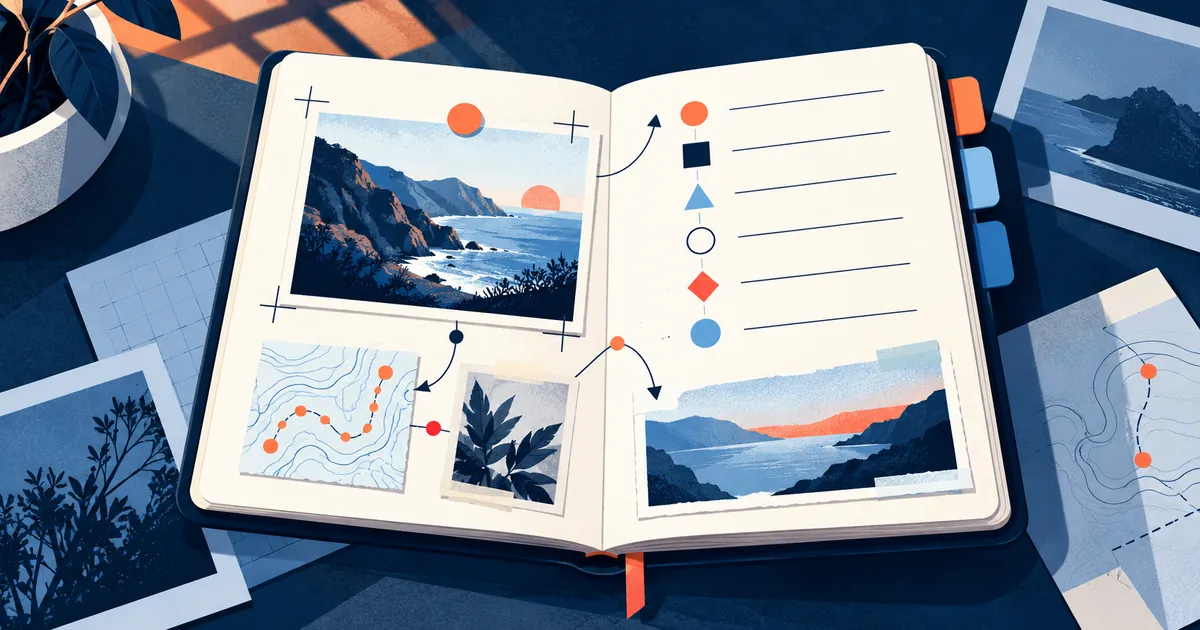
Follow a topic path when one question depends on several related methods.
Understand how image search indexes, fingerprints, crops, URLs, and visual similarity work before interpreting a result.
View Reverse Image Search FundamentalsLearn how reverse face search works, prepare a useful face image, review candidate matches, and reduce false identification.
View Face Search and RecognitionTrace an image toward its earliest credible publication, creator, licensing source, or documented chain of reuse using verifiable source evidence.
View Image Source and ProvenanceVerify a photo or screenshot by testing its source, date, place, caption, and technical history against independent evidence and context.
View Photo and Visual VerificationUnderstand EXIF, IPTC, cryptographic hashes, perceptual hashes, and Content Credentials without overclaiming what they prove.
View Image Metadata and FingerprintsInvestigate impersonation, unwanted image exposure, catfishing, and personal-photo reuse while preserving evidence and avoiding further harm.
View Personal Image SafetyMonitor important work, document reuse, trace licensing sources, and choose a proportionate response to unauthorized publication.
View Creator Rights and Image ReuseTurn a video into distinctive, searchable keyframes and use visual matches to trace earlier uploads, clips, and source context.
View Reverse Video Search MethodsDetailed workflows, comparison tables, evidence frameworks, and source-backed explanations.
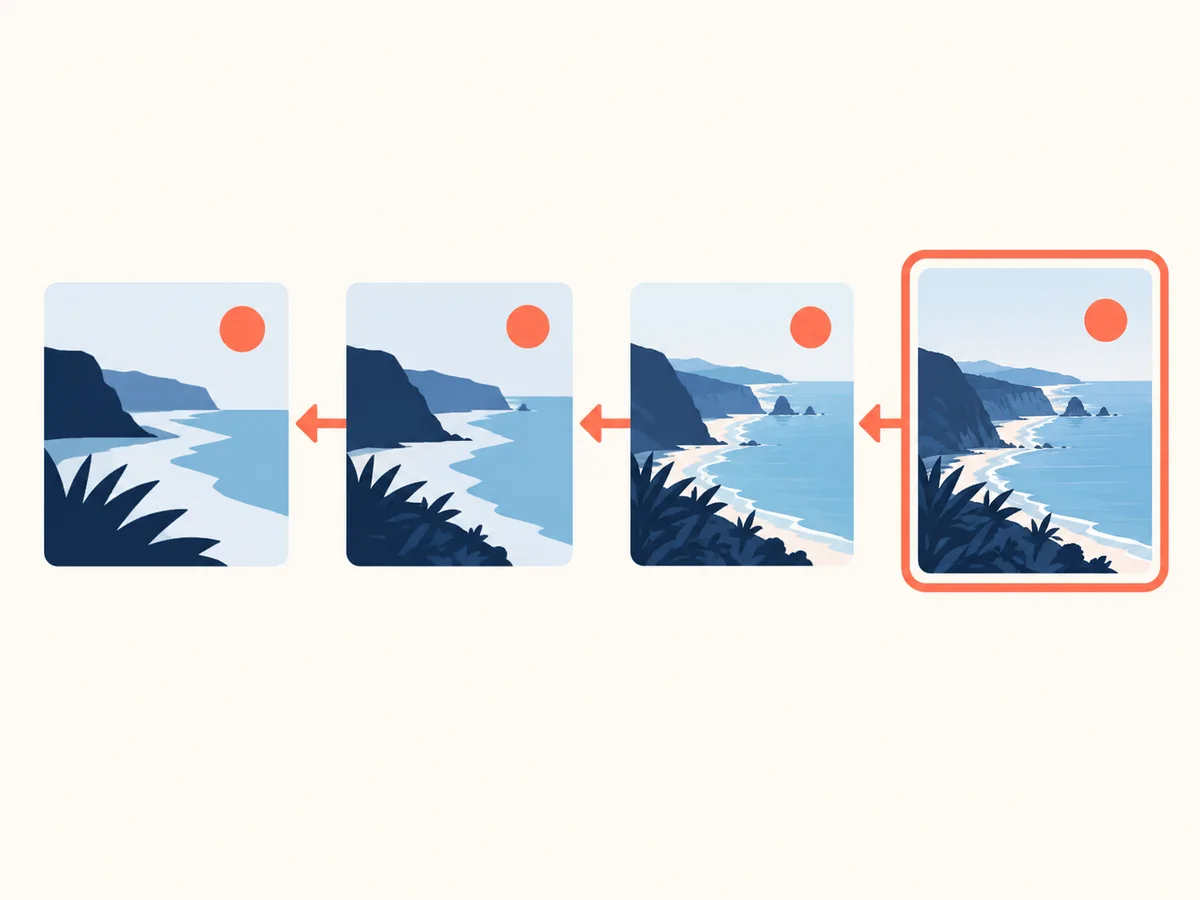
An attribution ladder combining reverse search, credit lines, metadata, stock collections, publication history, and creator confirmation.
Estimated reading time: 10 minutes. Topic: Source Tracing.
Read How to Find the Photographer of an Image
A meme lineage method that searches template and text layers independently instead of treating every repost as the same artifact.
Estimated reading time: 9 minutes. Topic: Source Tracing.
Read How to Trace a Meme to Its Source
A crop expansion ladder for tracing thumbnails, profile crops, collage panels, and partial screenshots back toward larger images.
Estimated reading time: 8 minutes. Topic: Source Tracing.
Read How to Reverse Search a Cropped Image
A repeatable keyframe score for tracing clips without searching dozens of blurry or near-identical frames.
Estimated reading time: 9 minutes. Topic: Video.
Read How to Choose Keyframes for Reverse Video Search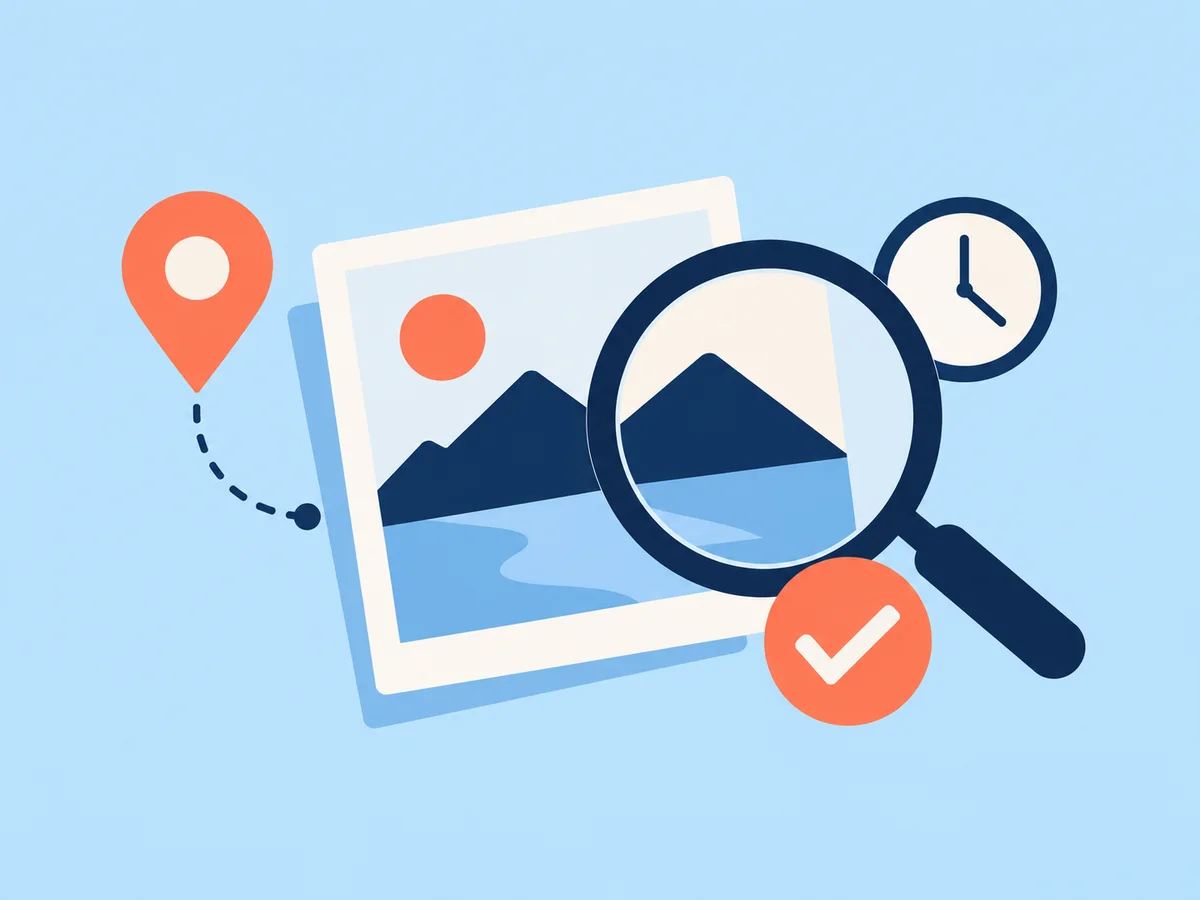
A six-clock timeline that prevents metadata dates and search-engine first-seen dates from being mistaken for the moment of capture.
Estimated reading time: 10 minutes. Topic: Verification.
Read How to Verify When an Image Was Taken or Published
A field-by-field method for classifying metadata as observed, internally consistent, externally supported, or contradicted.
Estimated reading time: 9 minutes. Topic: Metadata.
Read How to Read Image Metadata Without Misreading It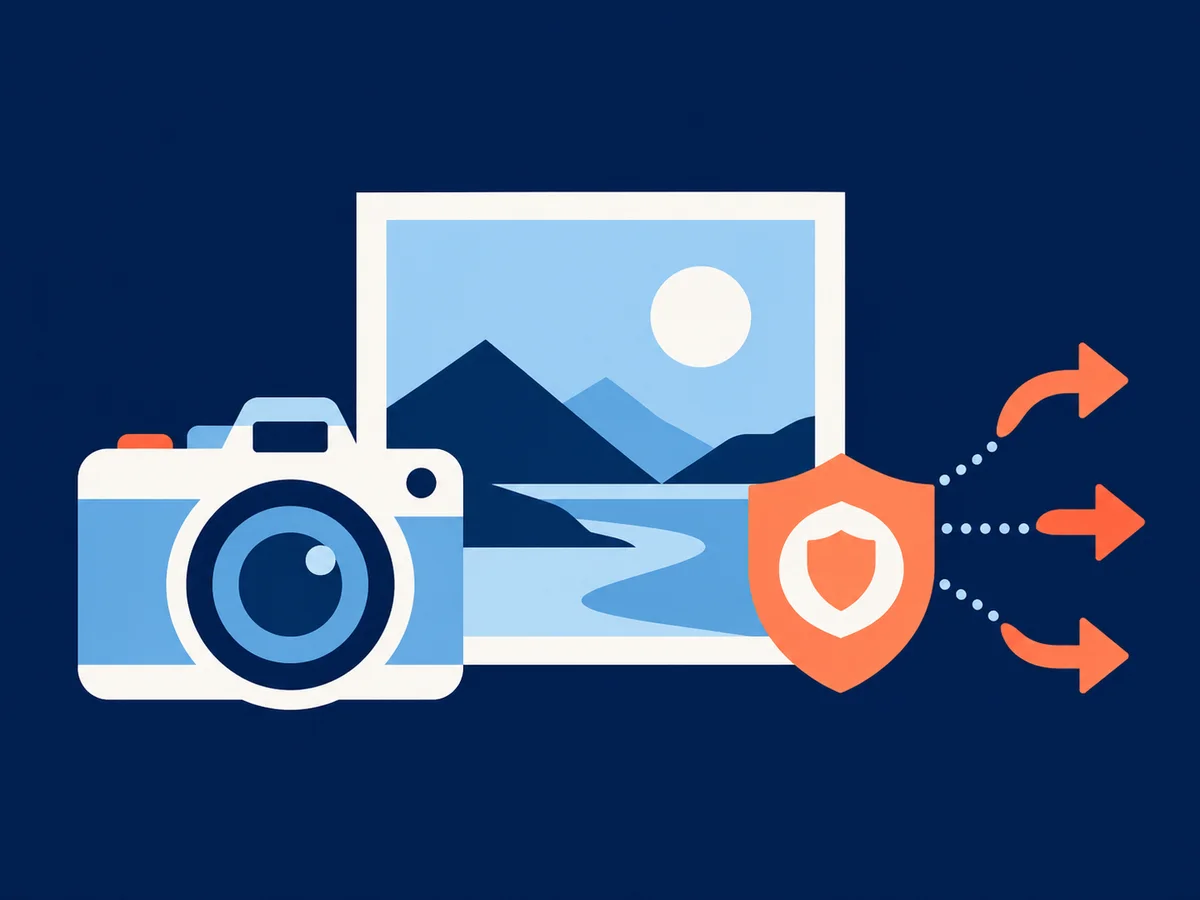
A monitoring system for photographers, artists, and brands that prioritizes important works and separates licensed, unknown, and harmful uses.
Estimated reading time: 10 minutes. Topic: Rights.
Read How to Monitor Your Images Online
An evidence guide for turning image matches into careful findings without treating a search result as proof of identity or ownership.
Estimated reading time: 9 minutes. Topic: Verification.
Read The Limits of What a Reverse Image Match Can Prove
A practical classification system for separating exact files, visual copies, partial matches, and related subjects before drawing a conclusion.
Estimated reading time: 9 minutes. Topic: Foundations.
Read Reverse Image Matching From Exact Copies to Altered Versions