
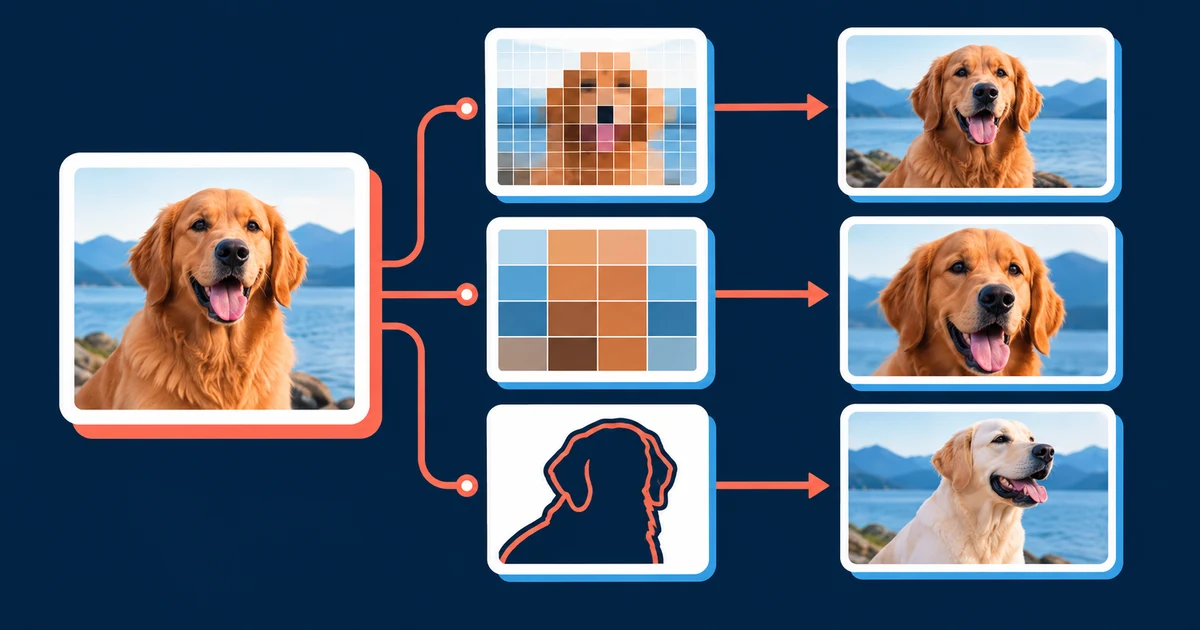
Reverse Image Search Fundamentals
Start here when you need to choose a search method, improve a weak query, or understand why two engines return different evidence.
Includes 9 in-depth guides.
These eight learning paths connect image search with face-candidate review, provenance, metadata, verification, personal safety, creator rights, and reverse video research. Use the tools directory for an immediate task or browse the visual research guide library for individual questions.
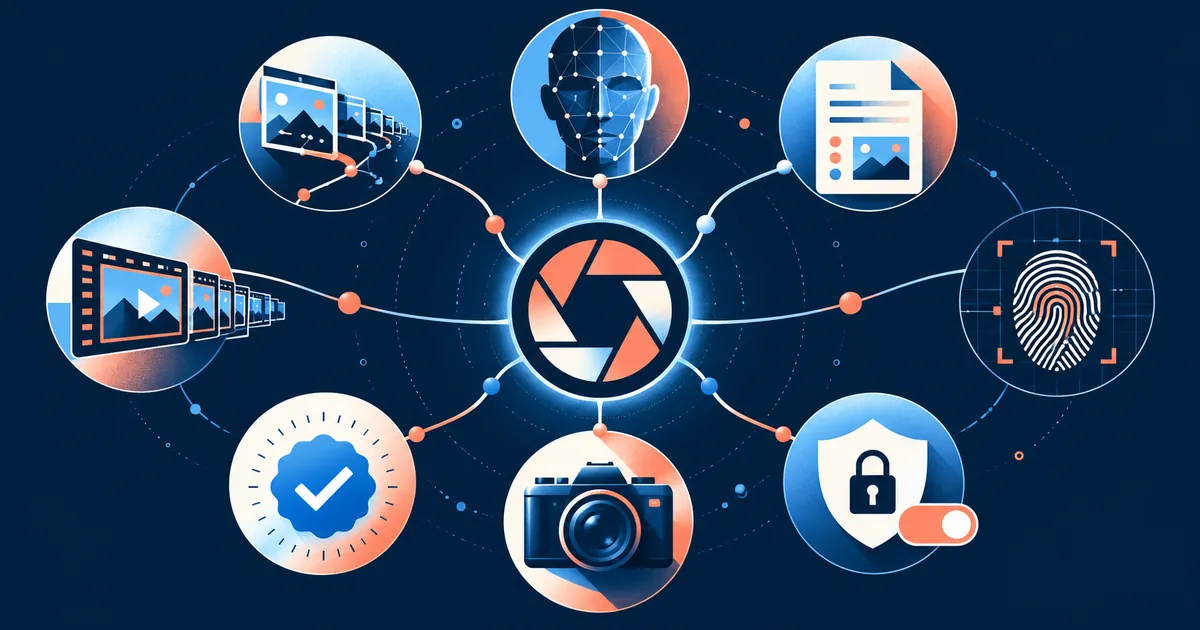
Choose the question you need to solve, then follow a focused path from first principles to a reproducible workflow.
Start here when you need to choose a search method, improve a weak query, or understand why two engines return different evidence.
Includes 9 in-depth guides.
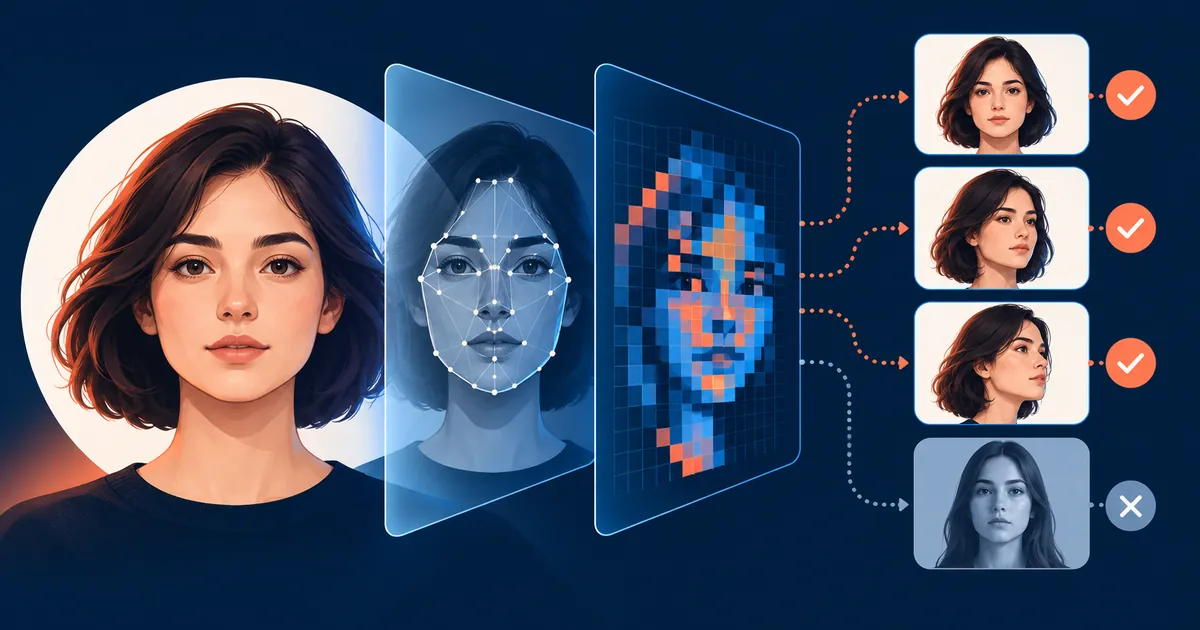
Face search can find possible appearances across an indexed collection. The difficult part is evaluating whether a candidate is actually the same person.
Includes 4 in-depth guides.
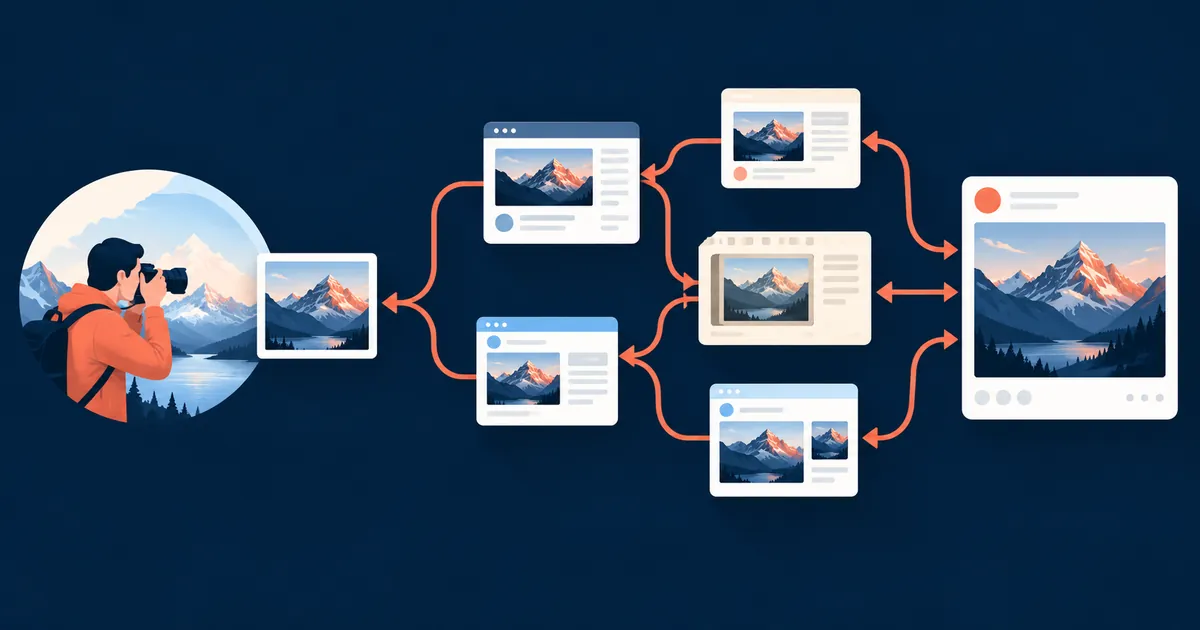
Source tracing is an evidence problem. A useful conclusion combines visual matches with publication records, credits, file quality, and independent context.
Includes 5 in-depth guides.
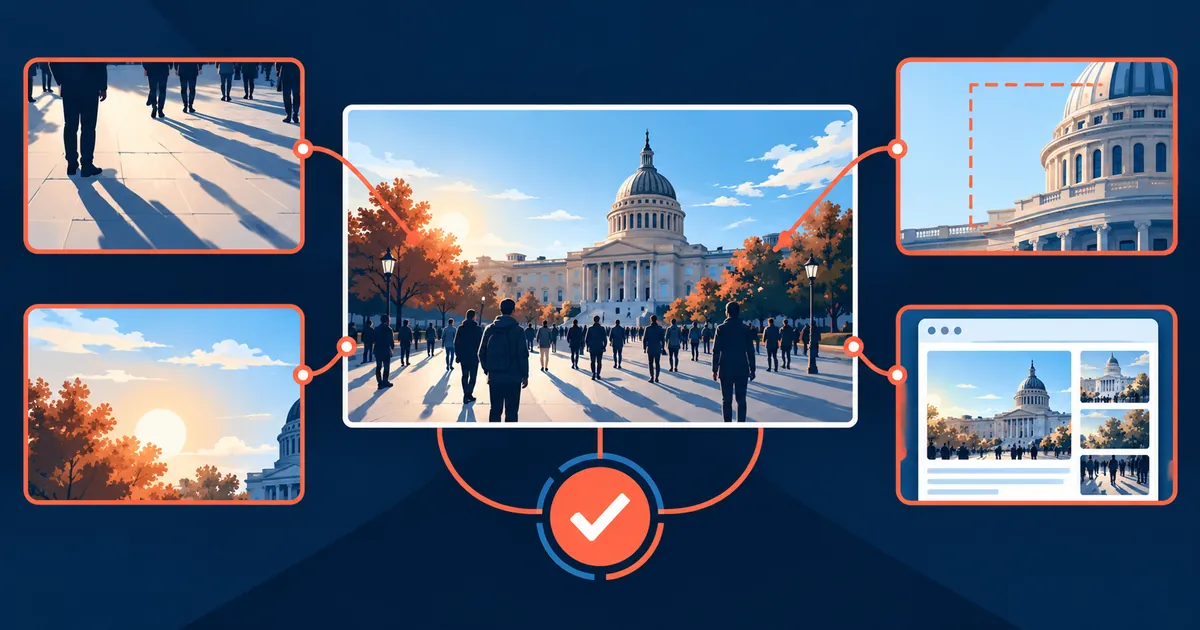
An authentic photograph can still be paired with a false caption. Verification tests each part of the claim separately.
Includes 5 in-depth guides.
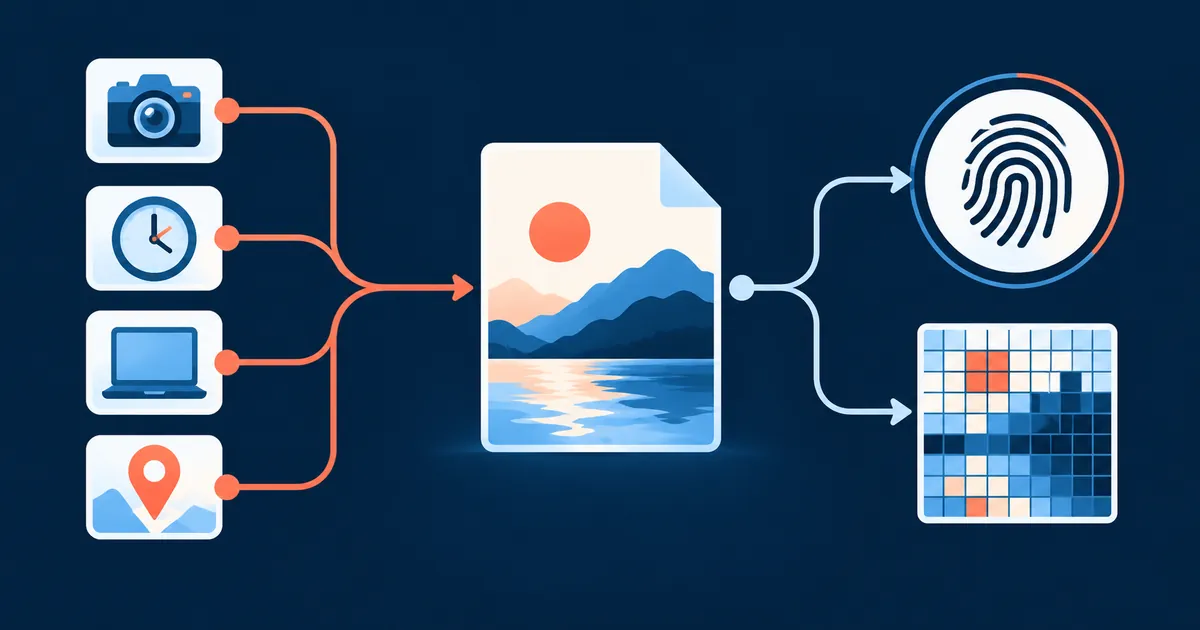
Technical clues are strongest when their purpose and failure modes are explicit. Metadata can be edited; hashes answer different questions; provenance records need validation.
Includes 4 in-depth guides.
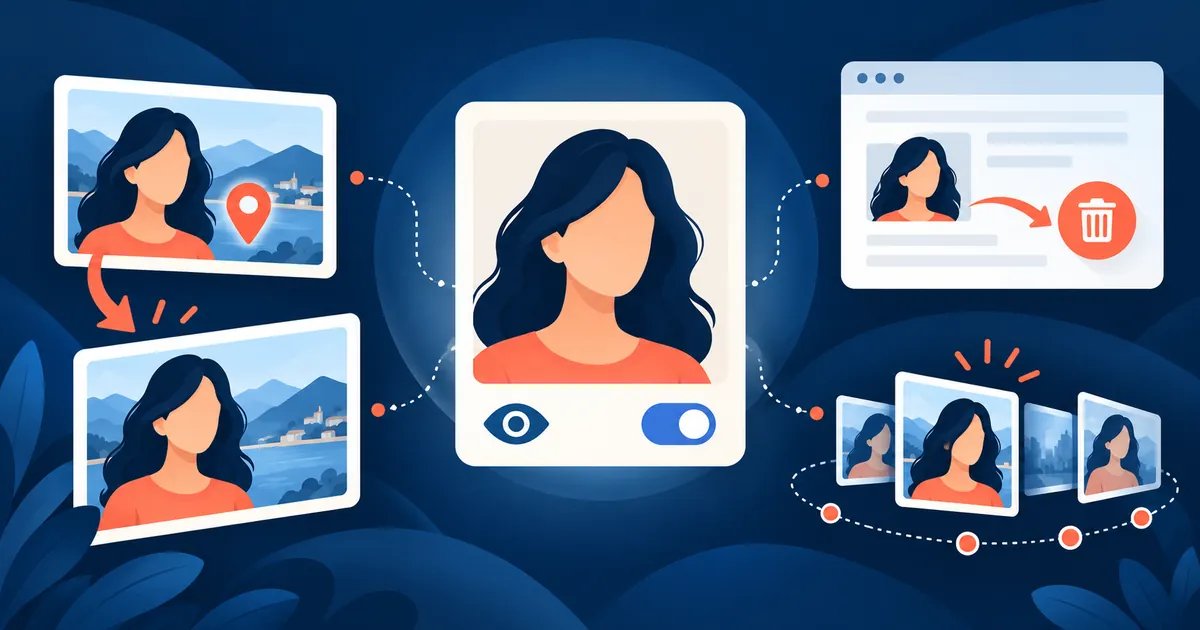
The safest workflow preserves evidence, verifies the source, uses the correct reporting channel, and avoids confronting an uncertain match publicly.
Includes 2 in-depth guides.
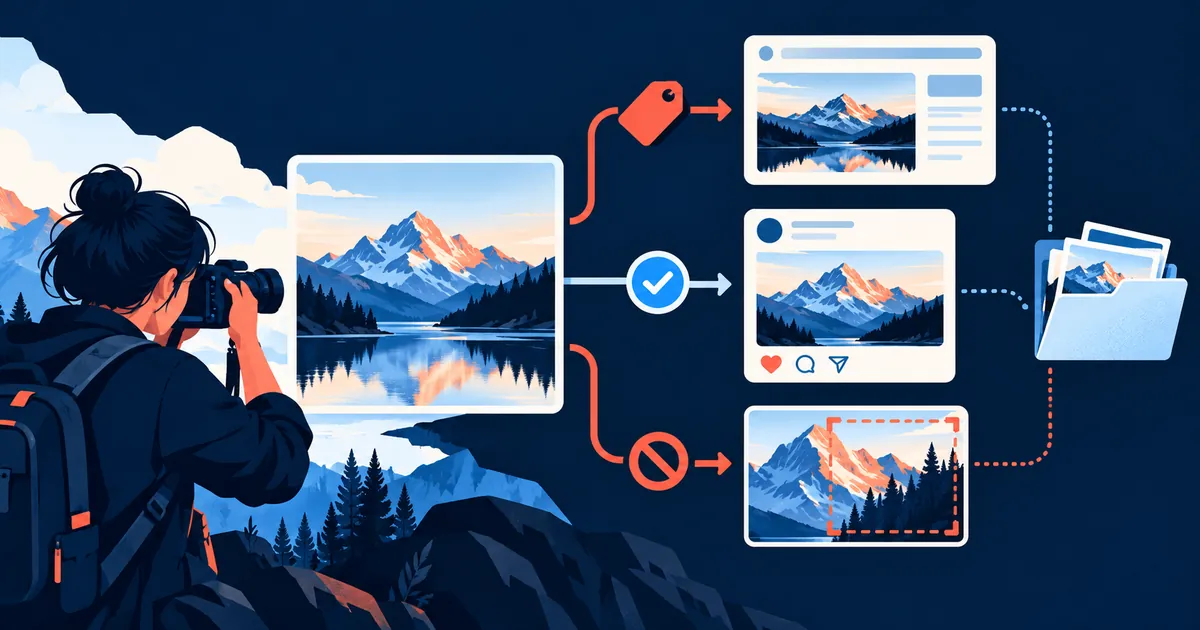
Finding a copy is the beginning of a rights investigation. Ownership, licensing, exceptions, and the identity of the publisher still need to be checked.
Includes 3 in-depth guides.
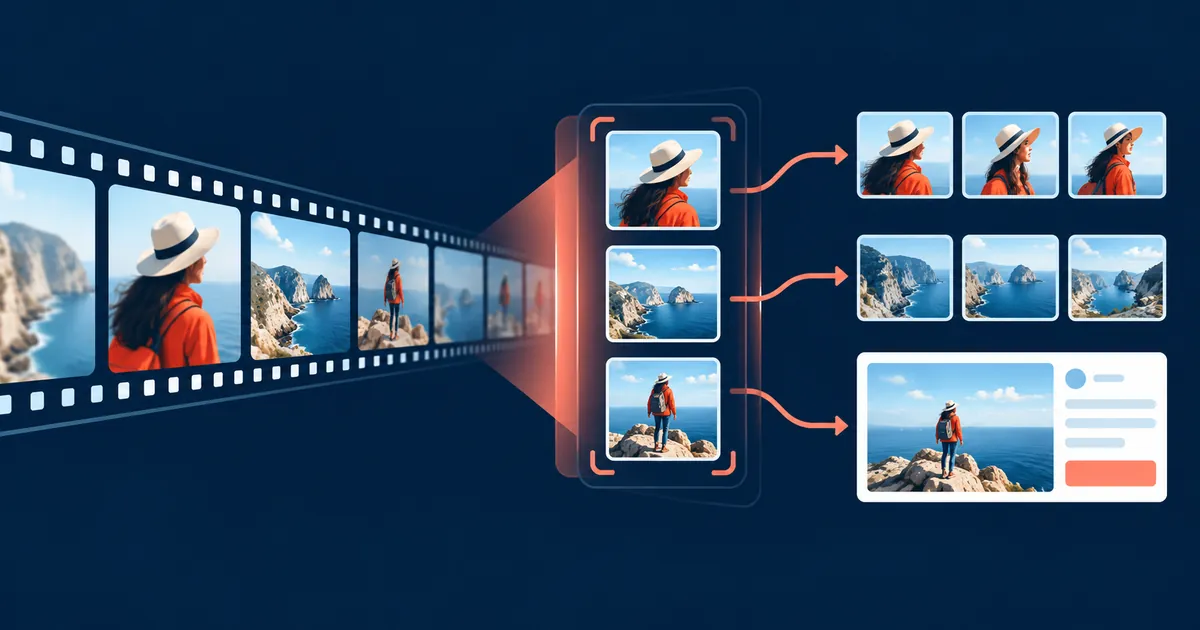
Video search works best as a frame-selection problem. The most useful frame is not always the sharpest or most dramatic one.
Includes 2 in-depth guides.